How To Set Up an Efficient Pilates Studio With Small Space
Opening or expanding a Pilates studio is an exciting endeavour, but space constraints can quickly become a challenge. The good news: with the right equipment choices and layout strategy, you can create an exceptional studio experience even in a small space.
Step 1: Map Your Space
Before purchasing any equipment, create an accurate floor plan of your space. Mark structural elements (pillars, doors, windows) and consider client movement paths — how will clients move from the reception to the studio, between apparatus, and to changing areas?
Step 2: Choose the Right Equipment
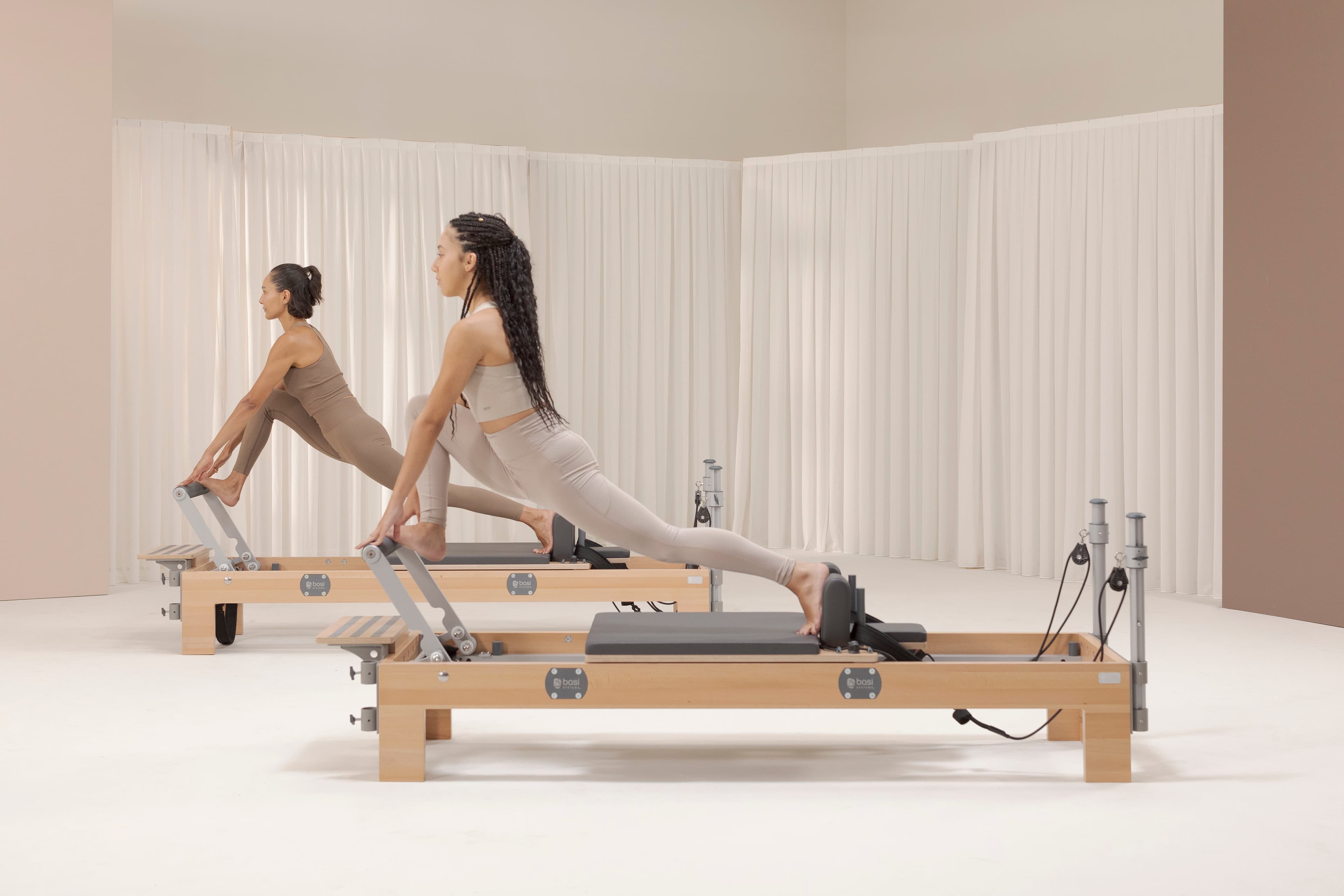
For small studios, compact equipment is not a compromise — it is a strategic advantage. The BASI Compact Reformer, at 2070mm × 600mm, provides the complete Pilates exercise library while maximising the number of units you can fit in your space.
- Compact Reformers: 20-30% smaller footprint than standard reformers
- Wall-mounted towers: Expand exercise variety without floor space
- Wunda Chair: Extremely versatile, very small footprint
- Barrels: Can be stored vertically when not in use
Step 3: Optimise Your Layout
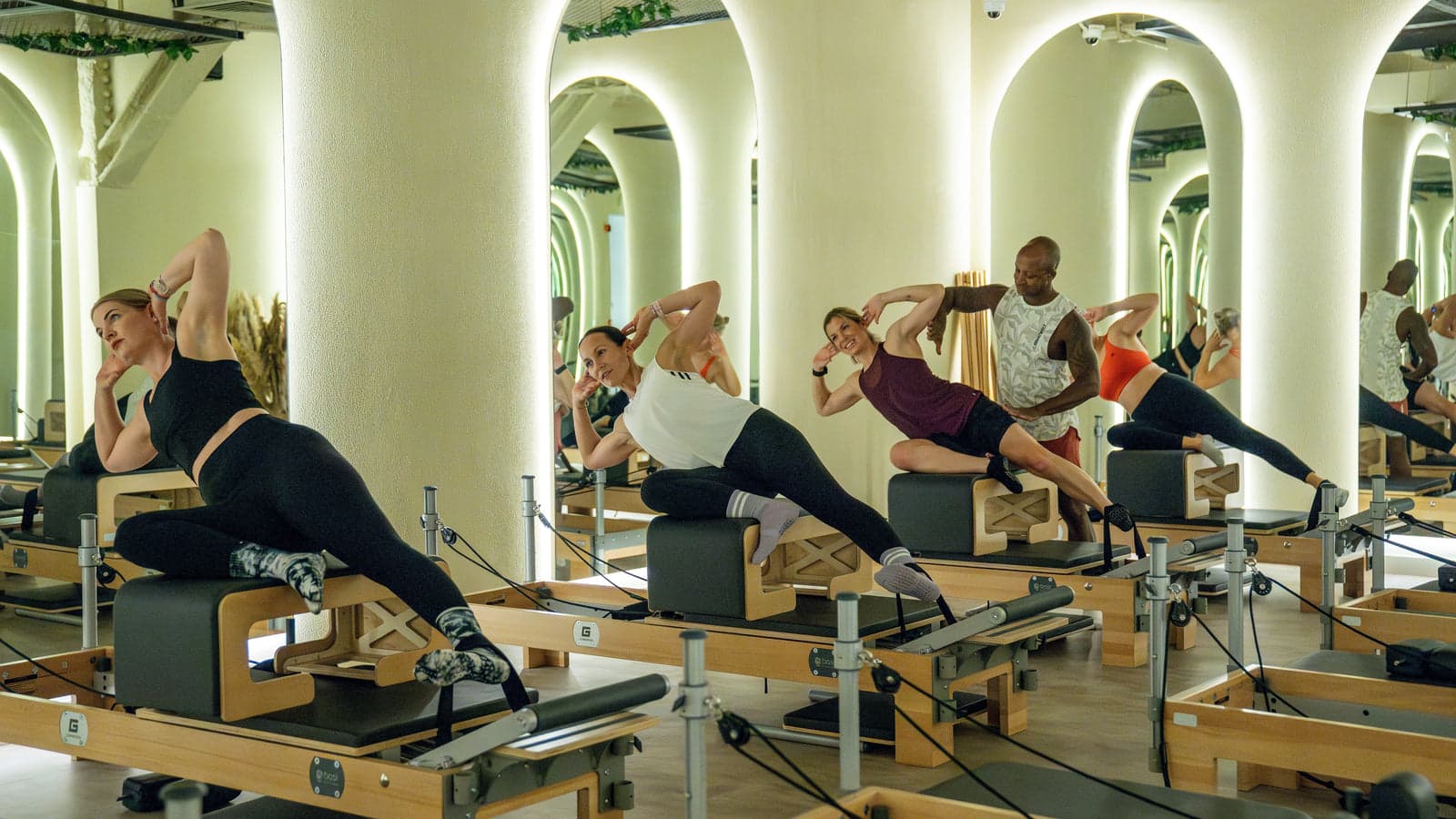
Position reformers parallel to the longest wall. Allow at minimum 900mm between units for instructor movement and client safety. Consider angled layouts — sometimes a 15-degree offset dramatically improves traffic flow and instructor sightlines.
Step 4: Think Vertically
Small studios rarely make the most of vertical space. Wall-mounted mirrors, high shelving for props and accessories, and wall-mounted tower attachments are all ways to expand functionality without consuming precious floor area.
Our equipment specialists can help you design the optimal layout for your studio. Request a free consultation today.